From local action plans to practical support for women facing discrimination or violence, Gender Equality Officers across Kosovo are helping turn policies into everyday protection for citizens.
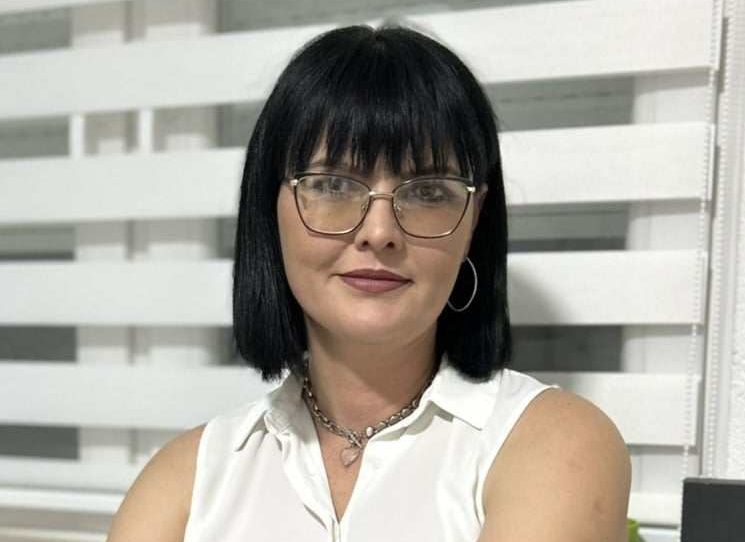
In the Municipality of Gračanica/Graçanicë, Marija Joksimović has spent years working at the centre of that effort — supported by European Union projects aimed at strengthening local institutions and aligning Kosovo with European standards.
Kosovo’s Constitution guarantees equal rights and freedoms for all citizens, while the Law on Gender Equality and the Law on Protection from Discrimination enhance the implementation of these principles. But translating laws into meaningful change often happens at the local level.
For Joksimović, that is where the role of a municipal gender equality officer becomes essential.
“The mandate of the gender equality officer includes monitoring the implementation of policies and laws related to equality, proposing measures to improve equal opportunities and raising awareness in the community,” she explains. “This position is very important in every local self-government because it ensures that the needs of all citizens are considered equally when making decisions and creating local policies.”
Strengthening local institutions
Maintaining and strengthening the role of Gender Equality Officers is not always easy, particularly in municipalities with limited resources. According to Joksimović, international support — especially from the European Union — has been critical.
“The greatest support is provided by international organisations. They offer technical support, training, project financing and guidelines for improving gender equality policies at the local level,” she says.
One concrete example is the Local Action Plan for Gender Equality 2024–2026 in Gračanica/Graçanicë, developed with EU support through a project implemented together with UN Women.
“With the help of this Local Action Plan, several activities were carried out in the fields of agriculture and education, and it covers the entire municipal structure,” Joksimović notes.
Beyond local projects, EU-backed initiatives have also focused on strengthening institutional capacities. Training, mentoring programmes and cooperation with international experts have helped municipal officials better understand and apply European standards in their daily work.
“Activities supported by the European Union and carried out by UN Women are very significant because they contribute to strengthening institutional capacities, improving the legal framework and providing concrete support for women in the community,” she says. “They also help align local practices with European standards.”
More women in leadership, but challenges remain
Joksimović says that her municipality has made visible progress in increasing women’s participation in decision-making positions.
“Women currently hold significant positions within the municipal administration, including five directorships, as well as management functions at sector and department level,” she says.
Still, she warns that social norms and stereotypes continue to limit the full participation of women in public life.
“Although certain results have been achieved, challenges still exist,” she says. “This is why the municipality continues to implement policies and initiatives that encourage equality, women’s empowerment and their active participation in all segments of public life.”
Supporting victims and coordinating institutions
Gender equality officers also play an important role in helping citizens access support and protection mechanisms.
“Citizens can apply in situations when they feel they have been discriminated against based on gender, when they need support regarding gender equality rights, or in cases of violence or unequal treatment in institutions,” Joksimović explains.
With Kosovo seeing a rise in reported cases of domestic and gender-based violence in recent years, coordination between institutions has become increasingly important.
This work requires close cooperation between municipalities, social work centres, police, schools, civil society organisations and international partners.
“Gender equality officers have a key role in coordinating between institutions and providing support to victims,” she says. “They contribute to better prevention, informing citizens and referring victims to adequate protection services.”
When complaints are submitted, officers collect documentation, refer cases to the competent institutions and monitor follow-up procedures.
“The Gender Equality Officer monitors the proceedings, makes recommendations and works to prevent similar situations in the future,” Joksimović says.
Through support for local action plans, institutional reform and training, the European Union continues to help municipalities across Kosovo strengthen gender equality and turn legal protections into practical support for citizens.