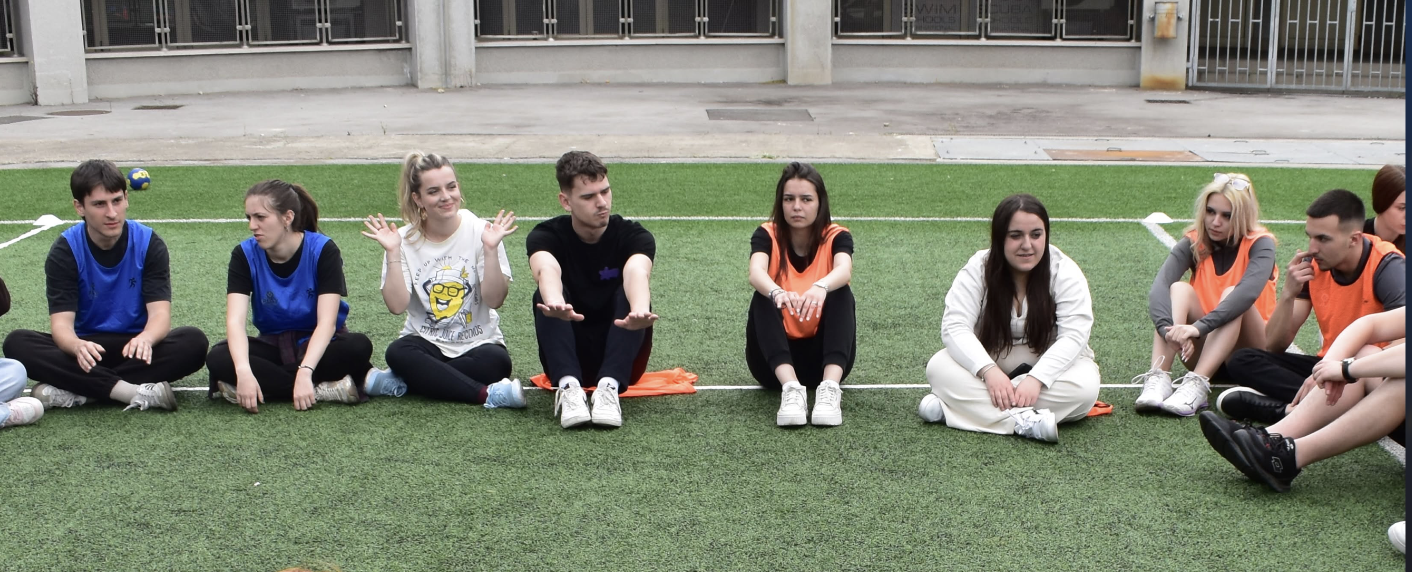
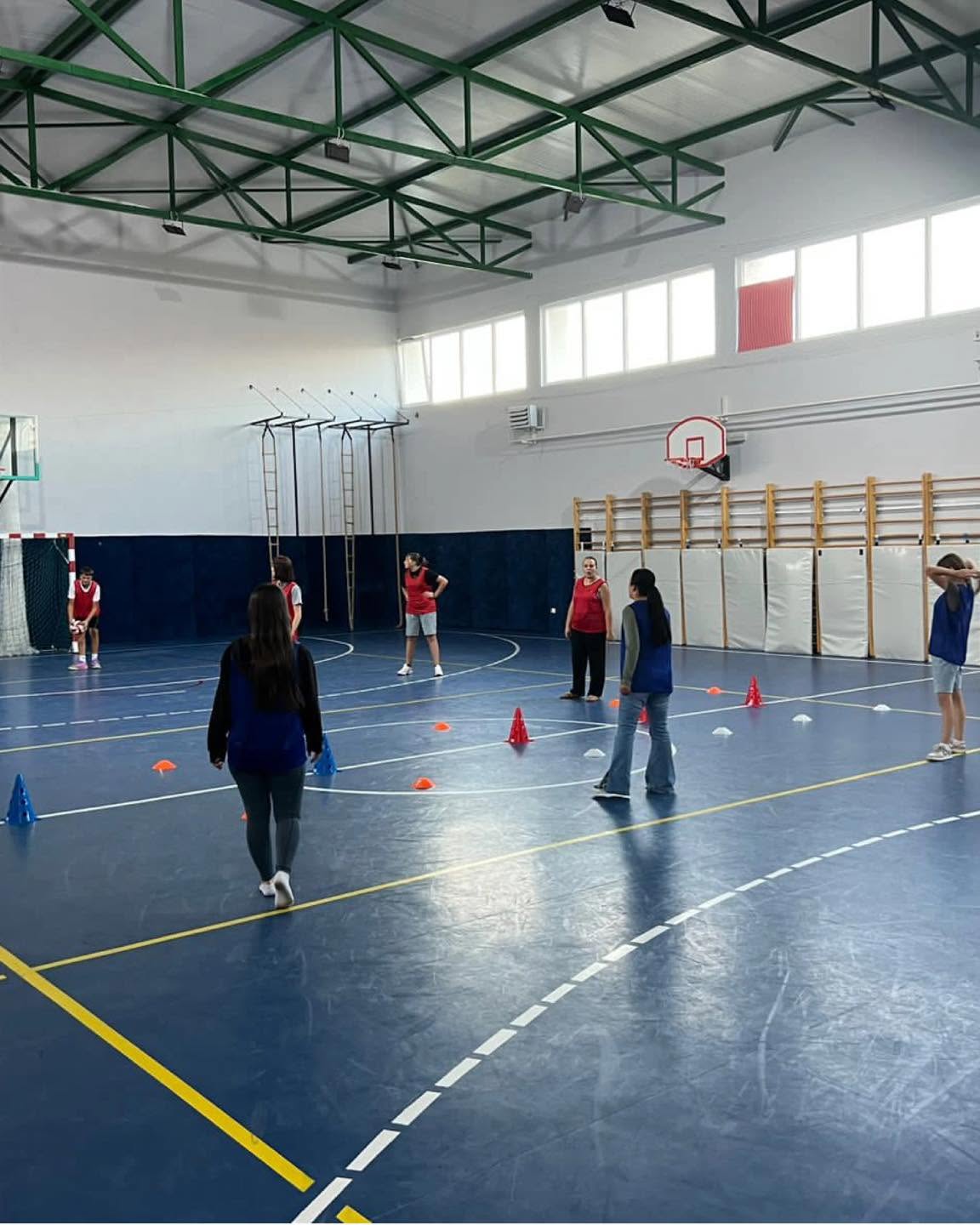
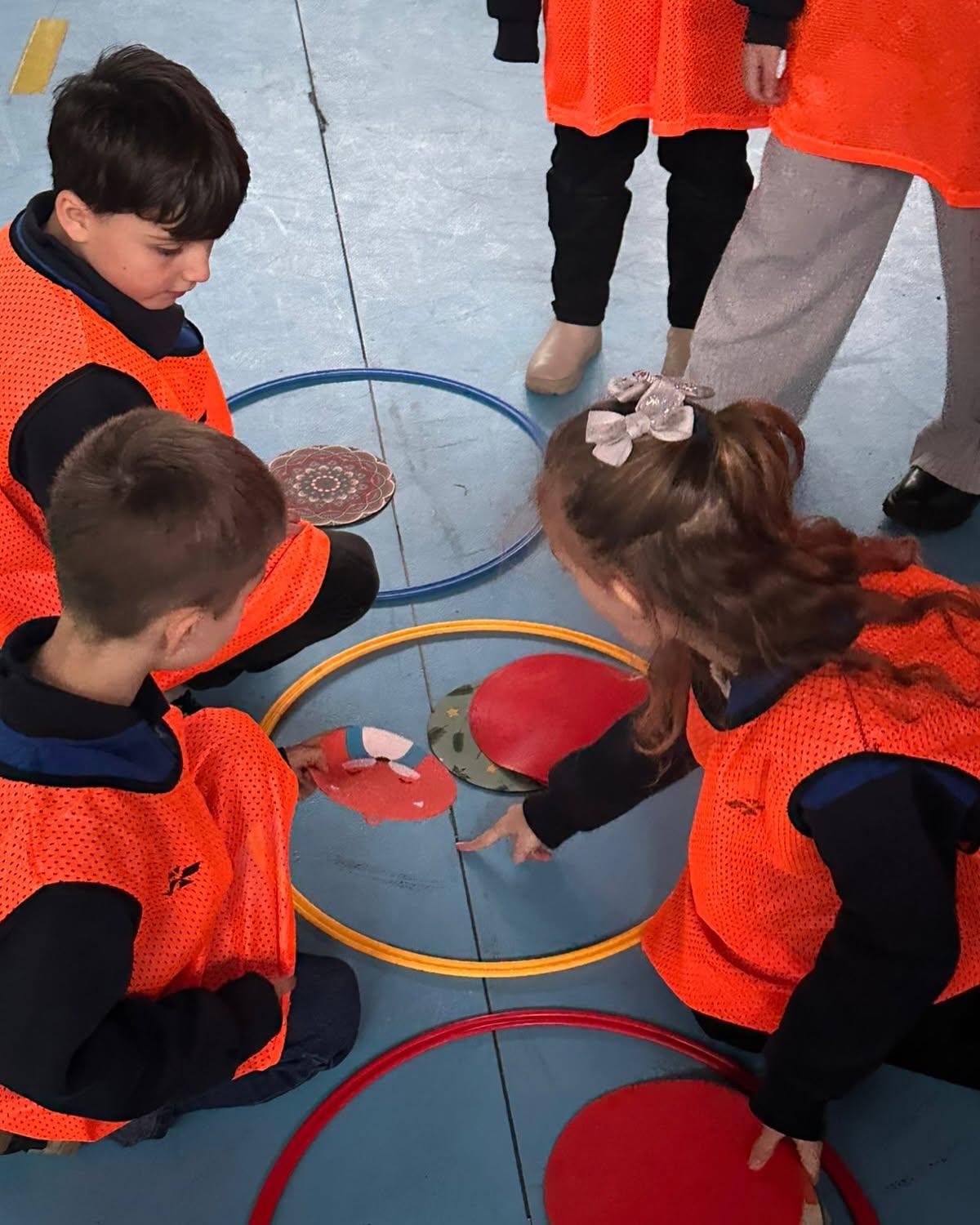
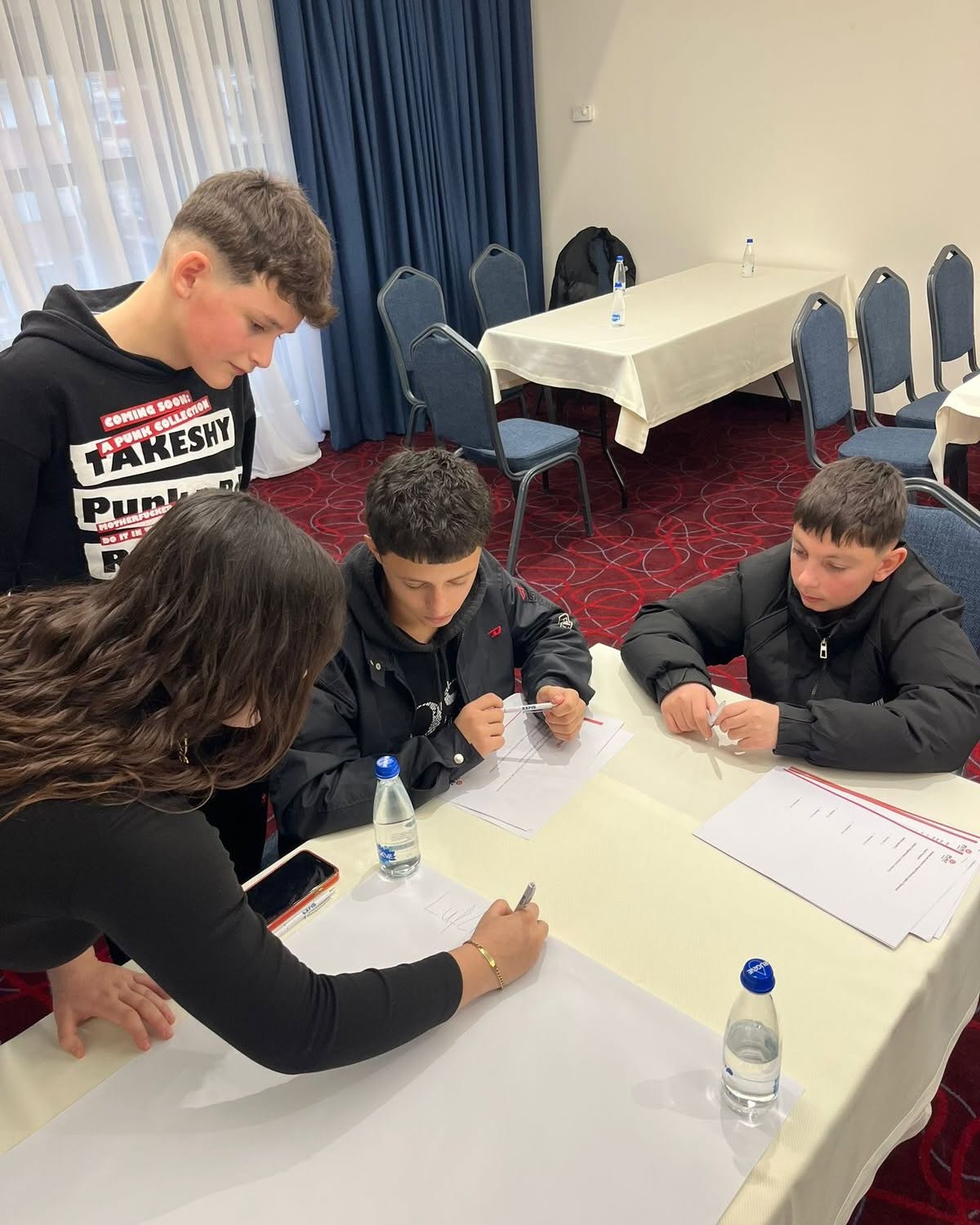
Supported by the EU, Sport4Inclusion project, implemented by PLAY International in Kosovo, uses sport and play as tools to combat discrimination, promote social cohesion and create inclusive opportunities for young people. The project is part of PLAY International’s wider work across the Western Balkans, where sport-based educational approaches are used to strengthen inclusion, interethnic dialogue, gender equality and youth participation.
When the Game Changes the Conversation
Discrimination based on gender, community background and other characteristics can prevent young people from feeling included and participating equally. The EU-funded project Sports4Inclusion implemented by PLAY International Western Balkans, used sport as a way to challenge these barriers, creating spaces where young people could participate side by side and build relationships through activities.
According to Elira Hashani, Pedagogical Manager at PLAY International Western Balkans, young people in Kosovo often share the same neighbourhoods but rarely interact outside their social circles, and activities of the project are designed so that cooperation is understood as the way to success.
“The combination of play, carefully designed activities and guided reflection is what allows young people to experience inclusion rather than simply being told about it,” Hashani explained.
From EU Support to Community Impact
Different activities implemented under the project Sport4Inclusion show how EU support can translate into concrete opportunities, reaching youth in Gjakova/Djakovica, Lipjan/Lipljan, Mitrovica North, Obiliq/Obilić, Plemetina/Plemetinë, Prevallë/Prevalac, Pristina, Prizren, and Rugovë/Rugova.
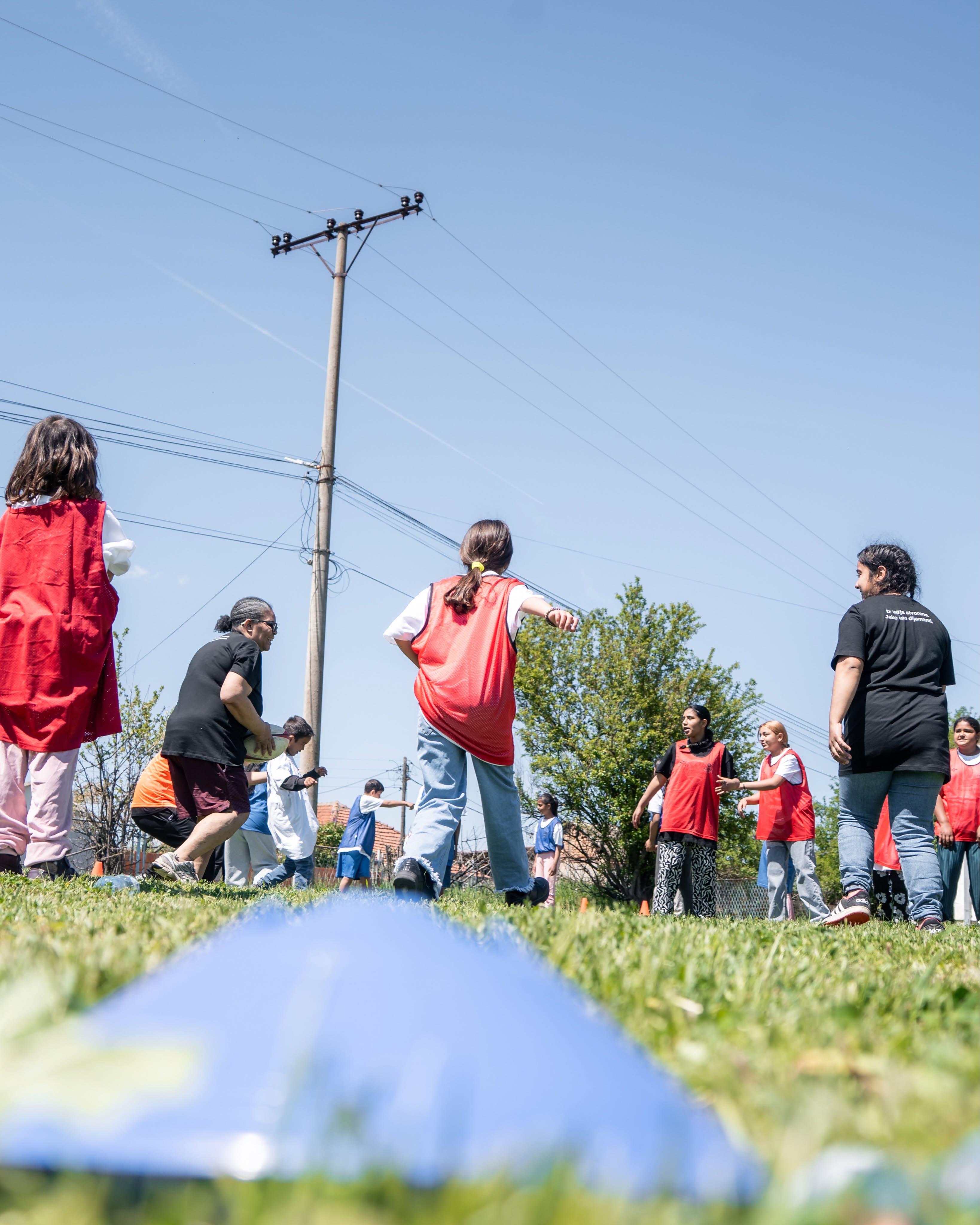
Sports events, such as Non-contact Rugby Days recorded 114 participant attendances. Girls from different ethnic backgrounds from Plemetina/Plemetinë and Mitrovica North, represented around 60% of participants, demonstrating how inclusive sport can create space for confident and equal participation.
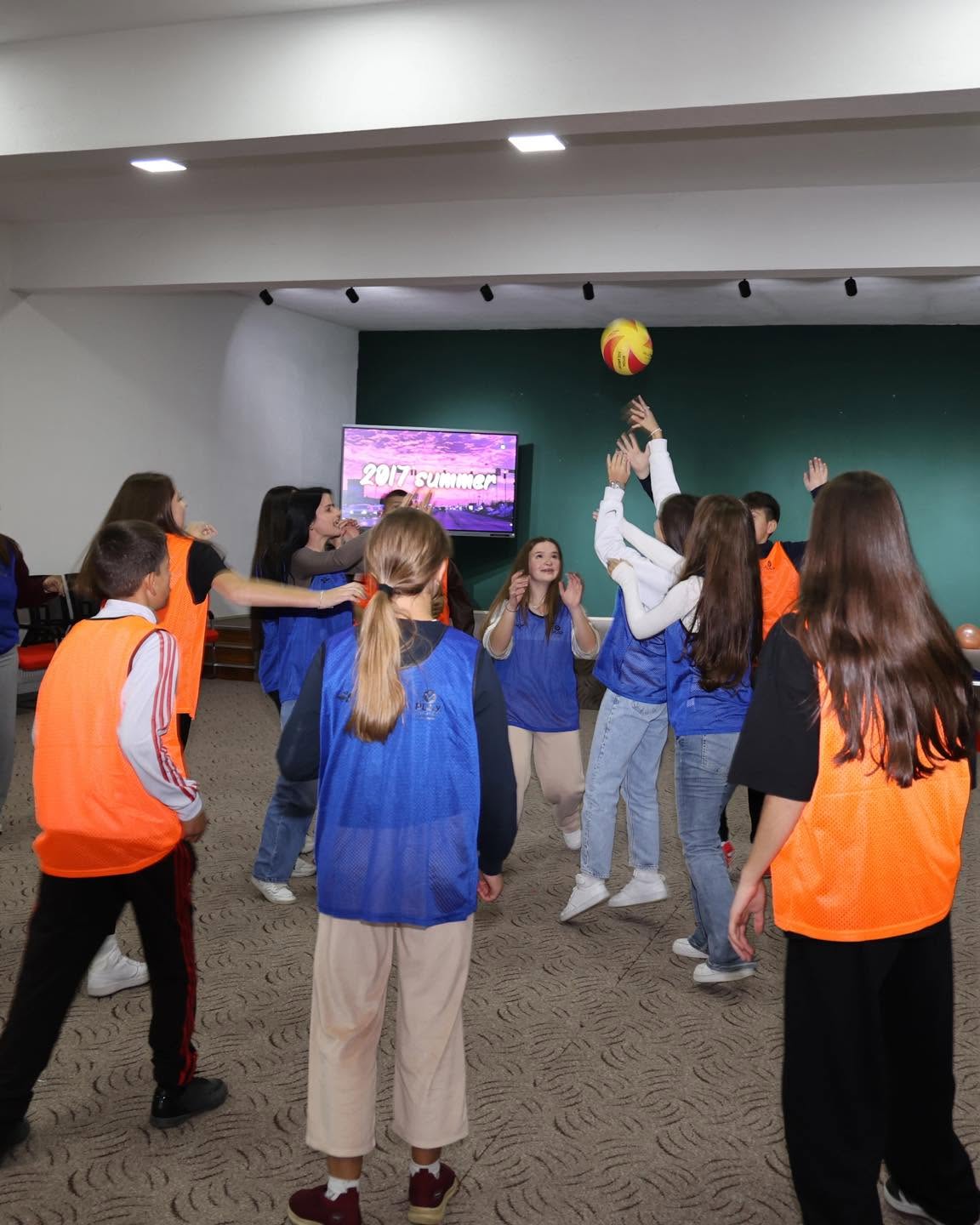
Cooperation with schools was established with several activities addressing bullying and discrimination, engaging around 90 students, while additionally, 10 collective mini youth projects ensured participation of 50 young volunteers to design, lead and implement projects.
One example was the “Dëgjo zërin tim” (Listen to My Voice) mini project which empowered high-school students in the municipality of Obiliq/Obilić to promote equality, respect and inclusion while raising awareness about discrimination. For Ari Thaçi, a volunteer from Pristina involved in this project, the experience also became a lesson in professional development.
“I’ve learned how to manage a team, work under tight deadlines and collaborate with others. It has been a wonderful experience that I will remember for a long time, and I can see how future projects will grow from this one,” he said.
Another mini project implemented in Lipjan/Lipljan focused on promoting gender equality and challenging stereotypes. For Aurela Karpuzi who developed and led this project, every activity was spot on and seeing youngsters improve was incredible. Her project used interactive non-formal education, established gender equality corners in three schools, and conducted research with 350 students to better understand young people’s perceptions of gender equality.
Keeping the Momentum Going
This EU-supported project which concluded in June 2026, enabled local civil society organisations and schools to continue the work independently, and CSO’s are already coming together to exchange experiences and strengthen cooperation.
For Hashani, the clearest sign of sustainability is when young people no longer need facilitators to organise activities within their communities.
That is the progression Sport4Inclusion ultimately seeks: not simply for young people to participate, but for them to take ownership, adapt the methodology and use it to create change in their own communities.